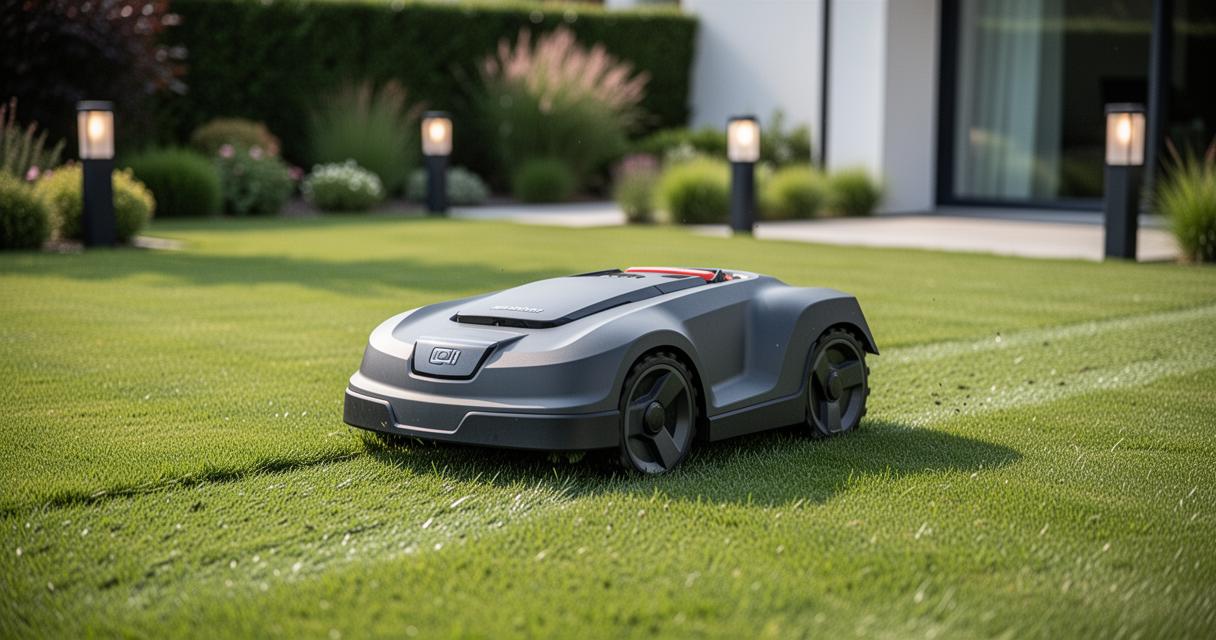
Robotic lawn care has moved on considerably from the clunky, wire-bound machines of years past, and today’s wire-free models offer a genuinely hands-off approach to keeping your garden looking its best. Whether you’re tending a modest back garden or managing several acres of tricky terrain, understanding how these clever machines work can make all the difference between a patchy lawn and a lush, healthy one that practically maintains itself.
Key takeaways
- Modern wireless robotic lawnmowers utilize GPS and sensor technology to map gardens, eliminating the need for traditional boundary wires.
- Establishing a consistent mowing schedule with frequent, light trims promotes healthier turf compared to infrequent, deep cuts.
- Adjusting cutting height seasonally helps the grass retain strength, particularly by allowing it to grow longer during dry periods.
- Proper battery maintenance, including avoiding deep discharge and keeping charging contacts clean, significantly extends the lifespan of the mower.
- Environmental factors like steep slopes, damp grass, and extreme temperatures directly impact battery efficiency and overall runtime.
- Users should define clear no-go zones around fragile obstacles such as ponds and steps to ensure safe and accurate navigation.
- Matching the specific mower model to the garden’s size and terrain type is essential for achieving optimal cutting performance.
Understanding your wireless robotic lawnmower: getting started with automated garden care
Getting your new mower up and running needn’t be a headache, even if you’ve never touched a piece of garden tech before. Most modern units rely on GPS and clever sensor arrays rather than the old boundary wire approach, which means setup is often a matter of walking the perimeter once with the machine so it can map out your garden’s shape and quirks. This is where being the World’s No.1 wire-free robot lawnmower brand really shows its worth, as the setup process has been refined to be genuinely straightforward even for those who aren’t particularly tech-savvy.
Setting up your robotic mower for first-time operation
Before you let your new companion loose on the lawn, it’s worth taking a slow walk around your garden to spot any hazards, low branches or uneven patches that might trip up the sensors. Once you’re happy with the boundaries, the mower’s navigation system takes over, learning the layout and building a mental map that it refines with every pass. It’s a bit like teaching a new gardener the ropes, except this one never forgets and never complains about the weather.
Programming Cutting Schedules and Height Adjustments for Optimal Lawn Health
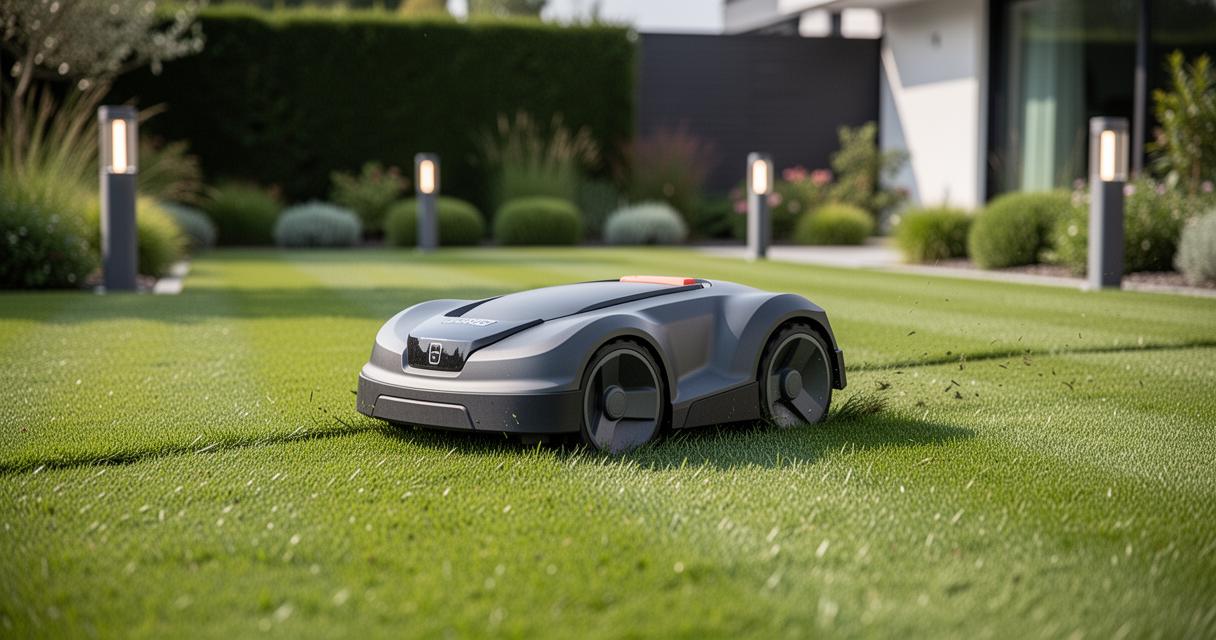
Once the initial mapping is done, you’ll want to think about when and how often the mower should be doing its rounds. Grass responds well to frequent, light trims rather than occasional dramatic haircuts, so setting a schedule that nudges the mower out every day or two tends to produce a noticeably healthier lawn. Cutting height matters too, and adjusting it seasonally, letting the grass grow slightly longer during dry spells, helps roots stay strong and reduces stress on the turf.
Maximising battery performance: strategies for extended mowing sessions
Nobody wants their mower conking out halfway across the lawn, so getting to grips with battery habits is genuinely useful knowledge. Most machines run on lithium-ion cells, and some can happily mow for three to four hours before needing a top-up, which is plenty for most average-sized plots.
Charging Best Practices and Battery Maintenance for Longevity
Treating the battery well from day one pays dividends later. Avoid letting it sit at a completely flat charge for extended periods, and try not to leave it baking in direct sun once it’s docked. A rechargeable battery that’s looked after properly can last years longer than one that’s abused, and simple habits like storing the mower somewhere sheltered over winter will keep it performing at its best. It’s also sensible to check the charging contacts periodically for dirt or corrosion, since a poor connection can quietly sap efficiency without you noticing straight away.
Environmental factors that influence battery efficiency and runtime
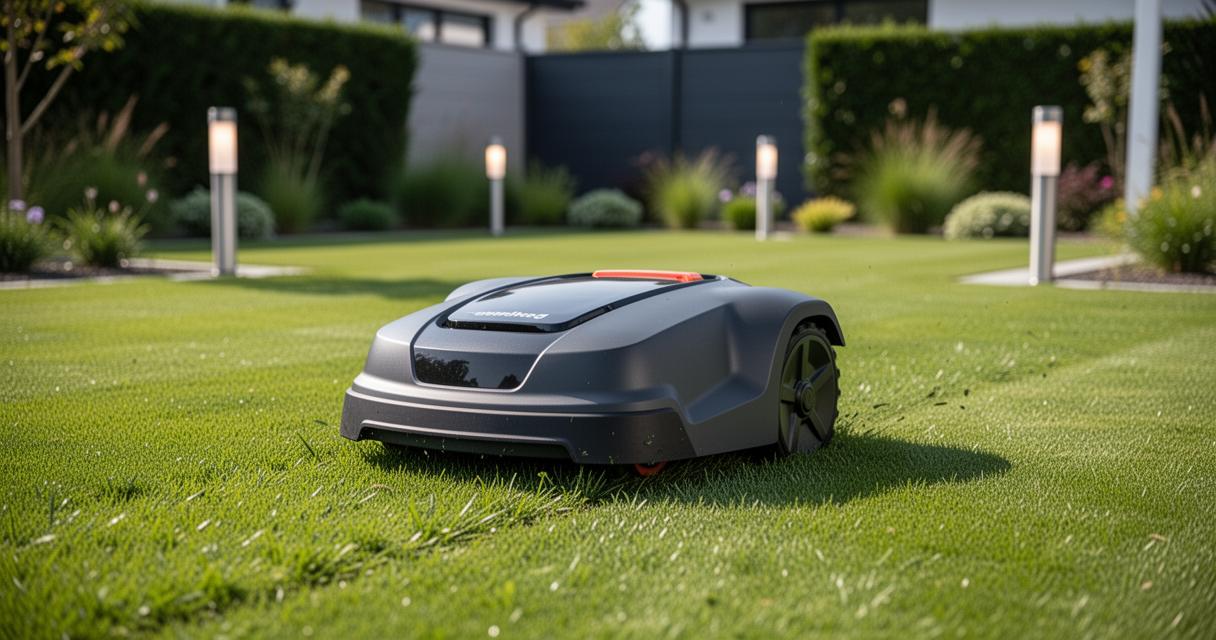
Temperature plays a surprisingly big role in how far your mower gets on a single charge. Cold mornings can slow down battery output, while scorching afternoons might cause the unit to throttle back to protect itself. Damp grass, thick undergrowth and steep slopes all demand more power too, so if your garden has particularly demanding sections, it’s worth factoring that into your expectations around runtime and coverage.
Selecting ideal mowing zones: where robotic lawnmowers deliver outstanding performance
Not every garden is created equal, and matching the right machine to the right space makes a real difference to results. For smaller courtyards or modest lawns, something like the YUKA mini 2, built for areas between eight hundred and a thousand square metres, offers a refreshingly user-friendly setup. Step up to properties with more sprawling grounds, and the LUBA 2 AWD comes into its own, handling anywhere from three thousand to ten thousand square metres thanks to genuine all-terrain mowing capability.
Identifying Suitable Terrain and Grass Types for Automated Cutting
Robotic mowers generally thrive on gently rolling or flat lawns, though the more capable AWD models are increasingly adept at tackling slopes and rougher patches that would have flummoxed earlier generations. The LUBA 3 AWD, for instance, covers between fifteen hundred and five thousand square metres and uses Tri-Fusion Navigation to read the ground beneath it with impressive accuracy. Meanwhile, the LUBA mini 2 AWD packs a stronger drive into a compact frame, making it ideal for gardens between one thousand and fifteen hundred square metres that still throw up the occasional awkward incline.
Creating Boundary Zones and Managing Obstacles for Safe Navigation
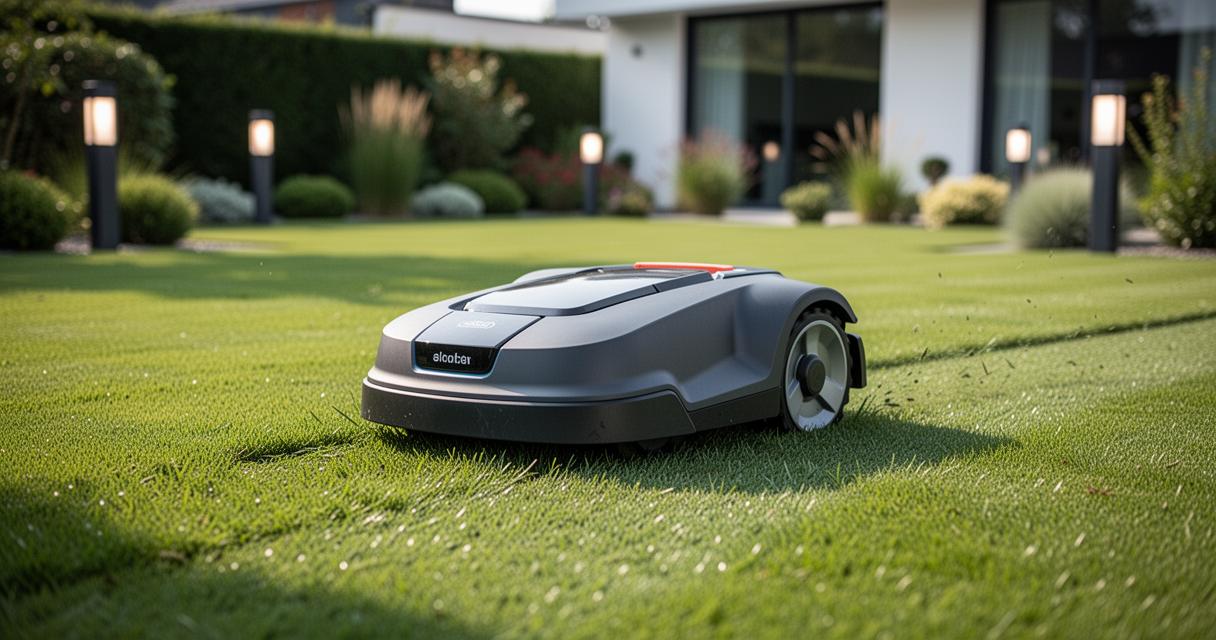
Defining where the mower should and shouldn’t go is one of the more satisfying parts of the setup process. Thanks to obstacle detection technology, most units will politely steer around trees, flower beds and garden furniture without fuss, though it’s still wise to create clear no-go zones around ponds, steps or anything particularly fragile.
- Keep an eye on blade sharpness and clean the underside regularly to maintain cutting quality
- Check sensors and cameras for dirt or debris that might affect obstacle recognition
- Inspect wheels and tracks after mowing particularly muddy or wet sections
Prices for these machines vary considerably depending on coverage and feature sets, ranging from around six hundred pounds for entry-level models right up to beyond three thousand pounds for the most sophisticated units on the market. If you’re shopping around, keep an eye out for the current 10th Anniversary Sale, which brings discounts of up to three hundred and nineteen pounds on selected models, alongside free shipping on orders over one hundred and ninety-nine pounds. With the right machine matched to your garden’s size and terrain, you’ll find yourself spending far less time pushing a mower and far more time simply enjoying a healthier, greener lawn that looks after itself.