Whether you are powering a laptop on a long motorway journey, running a cool box during a camping trip in the Highlands, or keeping essential appliances going during a home power outage, a 12V to 220V converter can make all the difference. Choosing the right model, however, requires more than simply picking the one with the highest wattage on the label. Understanding what your devices genuinely need, how different inverter technologies behave, and which safety features matter most will help you make a well-informed decision.
Key takeaways
- When choosing an inverter, focus on the continuous power rating rather than the peak power output to ensure it can safely handle your devices over time.
- A 12V car battery has limited capacity, making a dedicated leisure battery necessary for running high-load appliances without causing excessive strain or premature battery failure.
- Pure sine wave inverters are essential for sensitive electronics like laptops and medical equipment, whereas modified sine wave units are suitable only for simpler, robust devices.
- Safety features such as overload, short-circuit, and thermal protection are critical to prevent permanent damage to both the inverter and your connected appliances.
- Appliances drawing over 150-200 W require a direct battery connection, as vehicle cigarette lighter sockets are insufficient for higher power demands.
- Proper installation, including placement in a well-ventilated area to manage thermal output, is vital for maintaining the efficiency and longevity of the inverter unit.
Understanding your mobile energy needs
Determining total wattage requirements
Before selecting a car power inverter, it is essential to calculate the total wattage your appliances actually consume. One of the most common mistakes buyers make is confusing peak power output with continuous power rating. A unit advertised at 2000 W may only sustain 1000 W on a continuous basis, so it is the continuous figure that governs what you can safely run over time. A laptop typically draws somewhere between 60 and 90 W, whilst an electric cooler tends to sit in the 50 to 80 W range. A 300 W inverter covers small devices comfortably, whereas more demanding appliances such as microwaves or coffee makers require a 2000 W model or higher.
It is equally important to appreciate the role your battery direct current source plays in the equation. A 12-volt battery with a 100 Ah capacity can theoretically supply around 1200 Wh, though real-world efficiency losses from power conversion efficiency mean the usable figure is somewhat lower. Running a 1000 W load from a 12 V source demands in excess of 83 A, which places considerable strain on a standard car starter battery when the engine is switched off. For sustained use, a dedicated leisure battery or a campervan electrical system is far more appropriate.
The importance of appliance compatibility
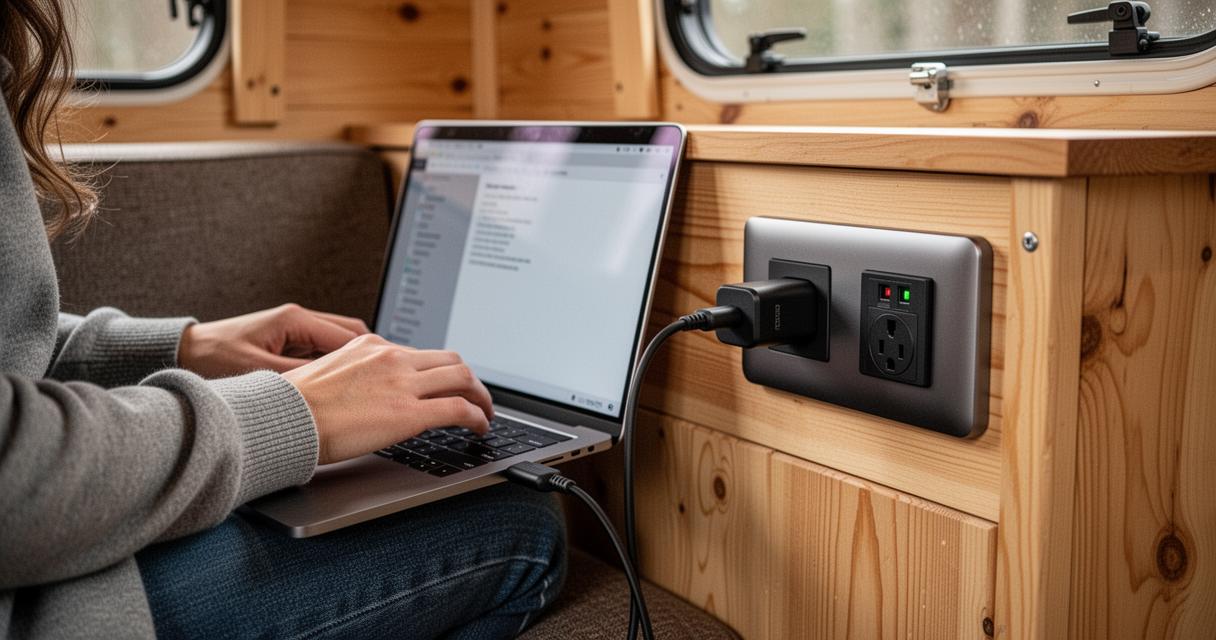
Not every mains equipment item is equally tolerant of how power reaches it. Checking the wattage of each device you intend to run is only the first step; you must also verify that the inverter’s alternating current output is compatible with the appliance’s requirements. It is worth noting that 12V to 230V inverter models and those labelled as 12V to 220V are effectively the same category, since European mains voltage is officially standardised at around 230 V. If a device’s manual specifies a tolerance range that includes 230 V, it will operate correctly with either label.
Analysing inverter waves and technology
Pure sinewave versus modified alternatives
The waveform produced by an inverter is one of the most consequential choices you will face. A pure sine wave inverter replicates the smooth, continuous wave of grid electricity, making it the preferred option for sensitive electronics such as laptops, medical equipment, and modern audio gear. A modified sine wave inverter, by contrast, produces a stepped approximation of that waveform. It is cheaper to manufacture and perfectly adequate for straightforward loads like light bulbs, basic power tools, and older appliances, but it can cause operational issues or even long-term harm to delicate circuitry.
Within the market, entry-level modified sine wave models are aimed squarely at budget-conscious beginners who need to charge a smartphone or power a simple lamp. Meanwhile, higher-capacity pure sine wave inverter units with ratings of 2000 W, 3000 W, and beyond are designed for off grid power scenarios where a full range of household appliances must run reliably. Some models in this category feature dual digital displays and operate quietly, which proves particularly valuable in an RV or home-backup context.
Protecting sensitive electronic devices
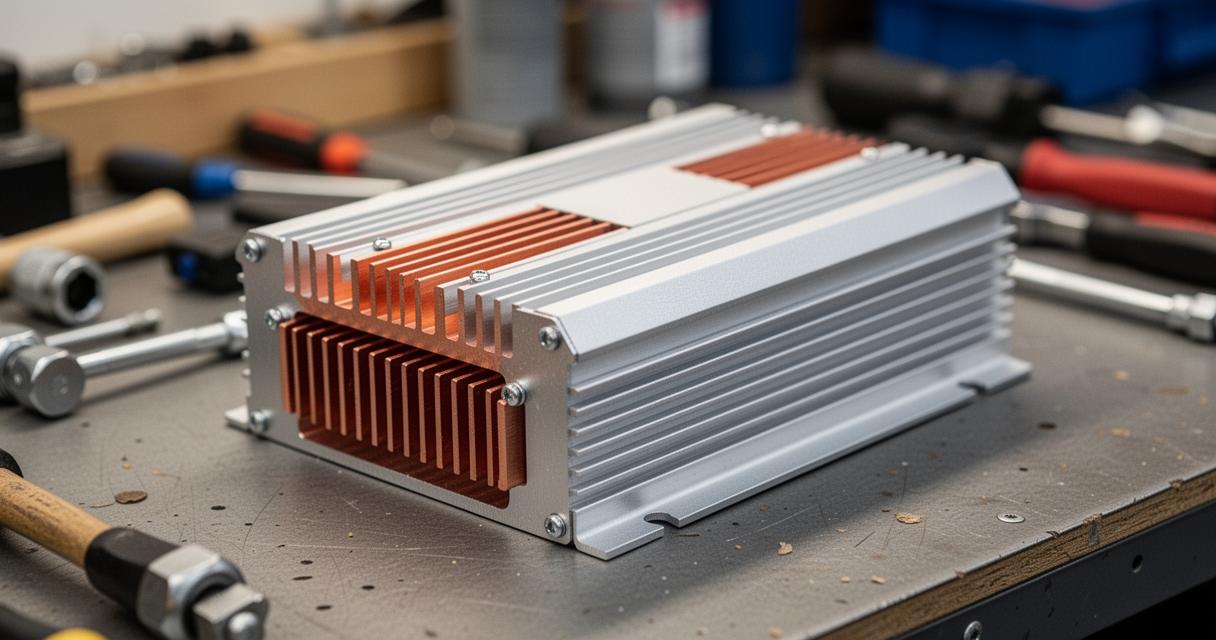
When your priority is protecting sensitive electronics, the waveform choice alone is not sufficient. A quality inverter should incorporate a comprehensive suite of electrical overload protection mechanisms, including safeguards against short circuits, over-voltage, and excessive heat. These protections are not merely conveniences; they are the difference between a minor inconvenience and permanent damage to expensive equipment. Models that include protection for appliances with electric motors are particularly useful, since motors draw a short burst of higher power on start-up — this is the distinction between peak and continuous ratings discussed earlier.
Practical features for safe vehicle operation
Integrating usb ports and safety sockets
Modern inverters frequently combine a traditional cigarette lighter socket input with multiple alternating current outlets and USB charging ports in a single unit. This versatility is particularly appealing for family road trips or worksites where several devices need power simultaneously. Some compact models offer two AC outlets alongside four USB ports, catering to a mixed set of charging needs without requiring separate adaptors. When connecting through a vehicle’s built-in cigarette lighter socket, it is important to recognise that these sockets are generally limited to between 150 W and 200 W of continuous draw. Exceeding this threshold risks blowing a fuse or overloading the vehicle’s wiring.
For anything beyond that threshold, a direct battery connection using the manufacturer’s supplied cables is the correct approach. Higher-powered units — those rated at 2000 W, 3000 W, or more — must be connected directly to the battery terminals to handle the current safely. The procedure involves ensuring the vehicle is switched off, connecting positive and negative terminals in the correct order, and using cables of the appropriate gauge.
Managing thermal output and battery drain
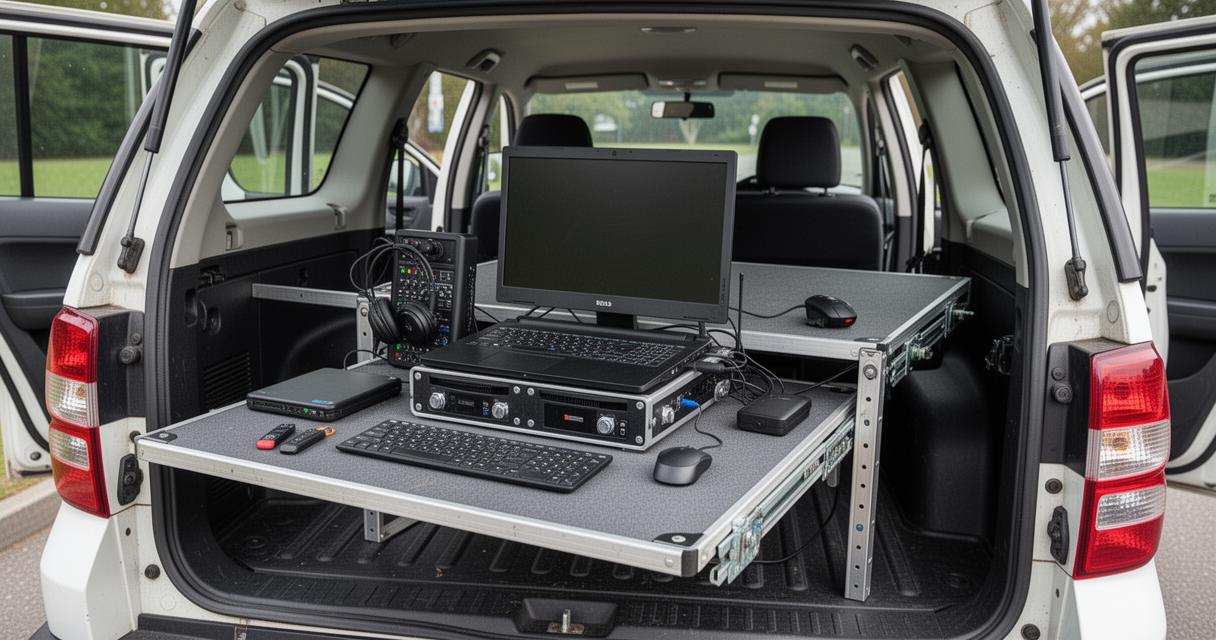
Thermal management is a topic that deserves more attention than it typically receives. Inverters generate heat as a natural consequence of power conversion efficiency losses, and inadequate cooling is one of the leading causes of premature failure. Well-designed units incorporate active cooling fans, and some high-capacity models are engineered to operate reliably across a wide range of ambient temperatures. Positioning the inverter in a well-ventilated area, away from flammable materials, is a basic but critical installation requirement for any power inverter safety regime.
Battery drain is the other side of the thermal coin. The running costs of an inverter depend on its operating time, the power consumption of the connected appliances, and the conversion losses inherent to the unit. To maximise your available runtime, consider the following points:
- Use only the wattage you genuinely need — oversizing wastes energy.
- Opt for a pure sine wave inverter when efficiency matters, as cleaner waveforms can reduce losses in certain devices.
- Monitor battery voltage to avoid deep discharge, which shortens leisure battery lifespan significantly.
Ultimately, selecting the right 12V to 220V converter comes down to matching the unit’s continuous wattage, waveform type, connection method, and safety features to your specific situation. Whether you are equipping a campervan for extended travel or simply seeking a reliable backup for occasional outages, taking the time to understand these fundamentals will serve you far better than reaching for whichever model appears first in a search result.