
Selecting the proper refrigerator for your home is a decision that extends far beyond aesthetics. It requires a thoughtful assessment of your kitchen's physical dimensions, your household's daily routines, and your long-term storage requirements. The right choice can enhance both the functionality and the efficiency of your kitchen, transforming meal preparation and food preservation into seamless, everyday tasks. With numerous brands and configurations available, understanding the nuances of refrigerator types, energy performance, and storage capacity becomes essential for making an informed purchase that will serve you well for years to come.
Understanding Refrigerator Types and Their Impact on Kitchen Efficiency
The configuration of your refrigerator plays a pivotal role in how efficiently your kitchen operates. Different designs cater to varying spatial constraints and user preferences, and recognising these distinctions can guide you towards a model that harmonises with your lifestyle. The UK market offers a diverse range of refrigeration solutions, from compact models suited to smaller flats to expansive American-style units that serve large families. Each type brings its own set of advantages, influencing not only the storage capacity but also the ease with which you can organise and access your groceries.
American style refrigerators: space and functionality
American-style fridge freezers have become increasingly popular in British homes, particularly among those who value generous storage and modern design. These appliances are characterised by their side-by-side door configuration, which provides expansive compartments for both fresh and frozen items. Brands such as Beko offer American-style models with widths ranging from 70 to 91 centimetres, depths extending up to 75 centimetres, and heights varying between 177 and 189 centimetres. Such dimensions demand careful consideration of available kitchen space, yet they reward users with ample room for bulk shopping and large platters. The separate door arrangement also minimises cold air loss, as opening one section does not expose the entire interior to ambient temperature. This design is particularly advantageous for households that entertain frequently or prefer to stock up on groceries in a single trip. However, potential buyers must ensure their kitchen can accommodate the footprint and that doorways and corridors are wide enough to permit delivery and installation without difficulty.
Built-in options: seamless integration for modern kitchens
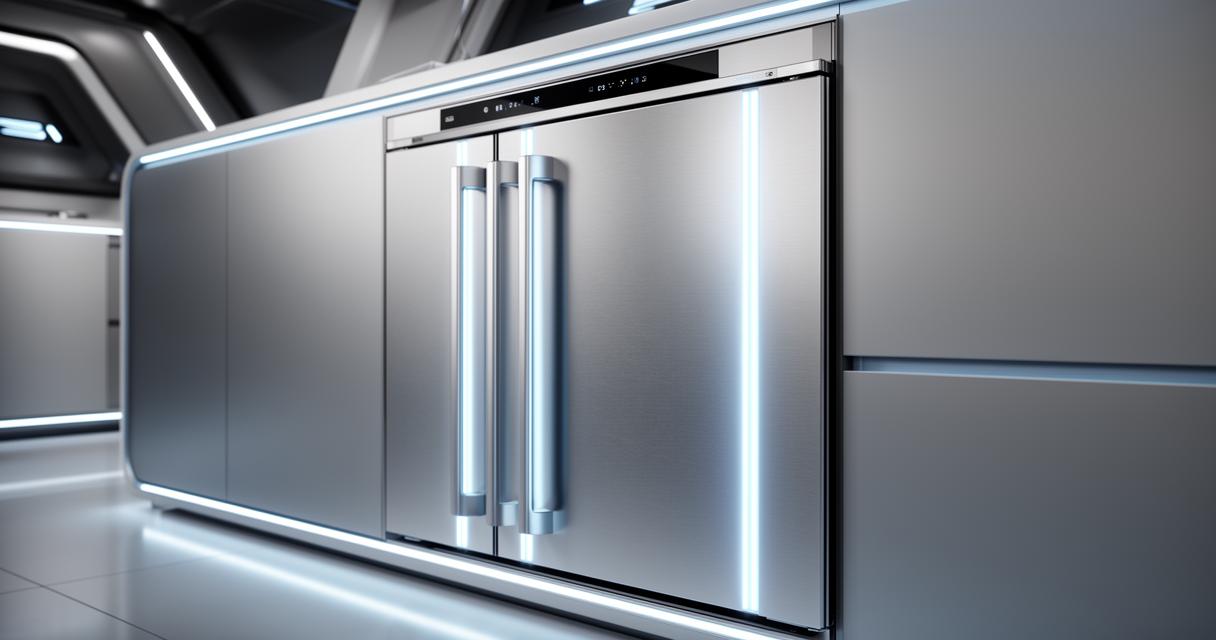
For those who prioritise a streamlined aesthetic, integrated fridge freezers represent an ideal solution. These appliances are designed to fit within standard kitchen units, concealed behind cabinet doors that match the rest of your cabinetry. This approach creates a cohesive visual flow and maximises usable space, particularly in compact or open-plan layouts. Integrated models typically measure around 177 to 194 centimetres in height and approximately 54 centimetres in width, making them suitable for most modular kitchen designs. The installation process involves careful alignment and securing the appliance within the designated cabinet space, ensuring adequate ventilation to prevent overheating and maintain optimal performance. While integrated refrigerators may offer slightly less internal capacity compared to freestanding equivalents, they excel in maintaining a tidy, uncluttered appearance. This category is especially appealing to homeowners undertaking kitchen renovations or those who value design consistency above all else. Brands such as Beko provide a variety of integrated options, each engineered to deliver reliable cooling whilst blending seamlessly into contemporary kitchen environments.
Key features to consider when selecting your refrigerator
Beyond size and style, the internal features and technical specifications of a refrigerator significantly influence its overall performance and your satisfaction as a user. Modern appliances incorporate advanced technologies designed to enhance food preservation, reduce energy consumption, and simplify daily use. Evaluating these characteristics in relation to your specific needs will ensure that your investment delivers both convenience and efficiency over the long term.
Energy efficiency ratings: saving money whilst conserving resources
Energy efficiency has become a central consideration for consumers seeking to reduce household running costs and minimise environmental impact. Refrigerators operate continuously, making them one of the most significant contributors to domestic electricity consumption. Opting for a model with a high energy efficiency rating can lead to substantial savings on utility bills over the appliance's lifespan. Modern UK appliances are rated on a scale that helps consumers compare performance at a glance, with higher ratings indicating lower energy use. Leading brands, including Beko, have invested in technologies such as improved insulation, advanced compressor systems, and smart sensors that adjust cooling output based on internal load. These innovations not only reduce energy consumption but also contribute to more consistent temperature management, which in turn preserves the quality and longevity of stored food. When assessing energy efficiency, it is advisable to review independent ratings and consumer feedback to gain a comprehensive understanding of real-world performance. Websites such as Feefo, where Beko has earned a rating of 4.2 out of 5 from over 44,403 reviews, provide valuable insights into user experiences and satisfaction levels. Furthermore, 92 per cent of consumers recommend Beko based on independent feedback, underscoring the brand's commitment to quality and efficiency.
Essential components: temperature control, freezer sections, and door configurations
The internal architecture of a refrigerator encompasses several critical elements that collectively determine how well it meets your storage and preservation needs. Temperature control systems are fundamental, as they regulate the climate within each compartment to ensure optimal conditions for various food types. Advanced models feature digital displays and precise adjustment mechanisms, allowing users to customise settings for different zones. The freezer section, whether located at the top, bottom, or side, should offer adequate capacity for frozen goods whilst maintaining consistent sub-zero temperatures. Door configurations also merit attention, as they affect both accessibility and energy efficiency. Side-by-side designs facilitate separate access to fresh and frozen items, whilst top or bottom freezer layouts may suit those who prioritise either category. Additionally, the presence of adjustable shelving, humidity-controlled crisper drawers, and door bins enhances organisational flexibility, enabling you to accommodate items of varying sizes and shapes. These components work in concert to create a storage environment that not only preserves freshness but also simplifies meal planning and reduces food waste. Beko appliances, for instance, come with a free 10-year parts guarantee, reflecting the manufacturer's confidence in the durability and reliability of their essential components.
Storage Capacity and Budget: Finding the Perfect Balance
Determining the appropriate storage capacity requires an honest appraisal of your household's consumption patterns and shopping habits. A refrigerator that is too small will struggle to accommodate weekly groceries, whilst an excessively large model may lead to wasted space and higher energy costs. Striking the right balance involves considering both the volume of food you typically store and the frequency with which you replenish supplies. Equally important is aligning your choice with your budgetary constraints, as prices vary widely depending on brand, features, and capacity.
Assessing Litre Capacity and Optimal Fill Levels for Your Household
Refrigerator capacity is measured in litres, and understanding how this translates into practical storage space is crucial. Common fridge freezer sizes in the UK include narrow models at 54 centimetres wide, standard units at 60 centimetres, and tall configurations reaching up to 70 centimetres in width and 203.5 centimetres in height. These dimensions correspond to varying litre capacities, with larger appliances offering upwards of 400 to 500 litres of total storage. For a single person or couple, a capacity of 200 to 300 litres may suffice, whereas families of four or more often benefit from 400 litres or greater. It is also important to recognise that optimal refrigerator performance is achieved when the interior is neither too sparse nor overly crowded. Adequate air circulation is essential for maintaining uniform temperatures, so leaving some space between items is advisable. Overfilling can obstruct vents and reduce efficiency, leading to uneven cooling and potential spoilage. Conversely, an underutilised refrigerator may consume unnecessary energy. Evaluating your typical grocery load and considering future changes, such as growing families or lifestyle adjustments, will help you select a capacity that remains appropriate over time.
Comparing Brands and Prices: Samsung, Bosch, Bomann, and Current Offers
The marketplace is replete with reputable brands, each offering a spectrum of models at various price points. Samsung is renowned for its cutting-edge technology and sleek designs, often incorporating features such as smart connectivity and door-in-door access. Bosch emphasises precision engineering and energy efficiency, appealing to those who value German craftsmanship and reliability. Bomann, meanwhile, provides budget-conscious options without compromising essential functionality, making it a practical choice for first-time buyers or rental properties. Beko, recognised as the UK's number one best-selling large home appliance brand, combines affordability with robust performance, supported by comprehensive product support, buying guides, and how-to guides for appliances. When comparing prices, it is prudent to look beyond the initial purchase cost and consider long-term expenses such as energy consumption, maintenance, and potential repairs. Seasonal promotions and special offers can yield significant savings, so monitoring retailer websites and subscribing to newsletters may prove beneficial. Additionally, reviewing consumer feedback on platforms like Feefo, where Beko enjoys a 4.2 out of 5 rating from over 44,403 reviews, can provide reassurance regarding build quality and customer service. Ultimately, the ideal refrigerator is one that aligns with your spatial constraints, storage requirements, and financial parameters, delivering dependable performance and enhancing the overall efficiency of your kitchen.