Selecting the right batteries for your electronic devices can feel like navigating a maze of technical specifications and marketing claims. From remote controls to wireless gaming accessories, the power source you choose directly affects both performance and your wallet over time. While disposable batteries might seem convenient, rechargeable alternatives have evolved to offer compelling advantages in longevity, cost efficiency, and environmental responsibility. Understanding which brands deliver on their promises requires looking beyond manufacturer specifications to examine real-world performance across different applications and usage patterns.
Understanding Battery Types and Technologies: Lithium vs Alkaline Performance
Modern consumers face a fundamental choice between rechargeable and disposable battery solutions, each with distinct characteristics that suit different needs. Rechargeable batteries have transformed from niche products into mainstream options that outperform their disposable counterparts in most scenarios. The technology has advanced considerably, with nickel-metal hydride formulations delivering reliable power whilst lithium-ion variants provide higher voltage requirements for devices that demand consistent performance. Unlike traditional alkaline disposables that gradually lose voltage as they discharge, rechargeable options maintain steadier output throughout their usage cycle, ensuring your devices function optimally until the battery requires recharging.
Comparing Rechargeable and Disposable Battery Solutions for Your Electronic Devices
The environmental and economic advantages of rechargeable batteries become apparent when examining their lifecycle benefits. Rechargeable alternatives last longer, cost less over time, and create substantially less waste compared to disposable options. Modern rechargeable batteries are rated for at least one thousand charge cycles, meaning a single set can replace potentially thousands of disposable batteries throughout their lifespan. This dramatic reduction in waste addresses growing concerns about battery disposal and the environmental burden of single-use products. Whilst the initial investment in rechargeable batteries and a charging system might seem higher, the long-term cost savings become evident after just a few recharge cycles, particularly for households with multiple battery-powered devices.
Breaking down battery capacity and power duration across different brands
Battery capacity measurements reveal significant variations between brands and technologies, though manufacturer ratings often exceed actual measured performance after rigorous testing. The capacity indicated on packaging serves as a starting point, but real-world performance depends on factors including discharge rate, device power requirements, and environmental conditions. Rechargeable batteries measured in milliampere-hours or milliwatt-hours provide useful comparisons, though these numbers alone do not tell the complete story. Testing across both high-power and low-power devices offers more meaningful insights into how batteries perform under varying demands. Some models demonstrate remarkable consistency across charge cycles, whilst others show noticeable capacity degradation after extensive use, highlighting the importance of quality construction and chemistry in determining long-term value.
Leading battery brands: real user experiences and performance comparisons
Among the numerous brands competing for consumer attention, EBL has emerged as a standout performer in the rechargeable battery market. The EBL NiMH AA 2,800 mAh batteries powered devices for between six and a half to ten and a half hours during testing, demonstrating impressive stamina across different applications. These batteries come in economical packaging options, with an eight-pack available or a more modest four-pack for those wanting to trial the performance. The brand's commitment to balancing capacity with affordability positions it favourably against premium alternatives that command significantly higher prices without delivering proportionally better performance. User experiences consistently highlight the reliability of these batteries across diverse electronic devices, from digital cameras to wireless keyboards.
AAA Battery Applications and Which Brands Excel in High-Drain Devices
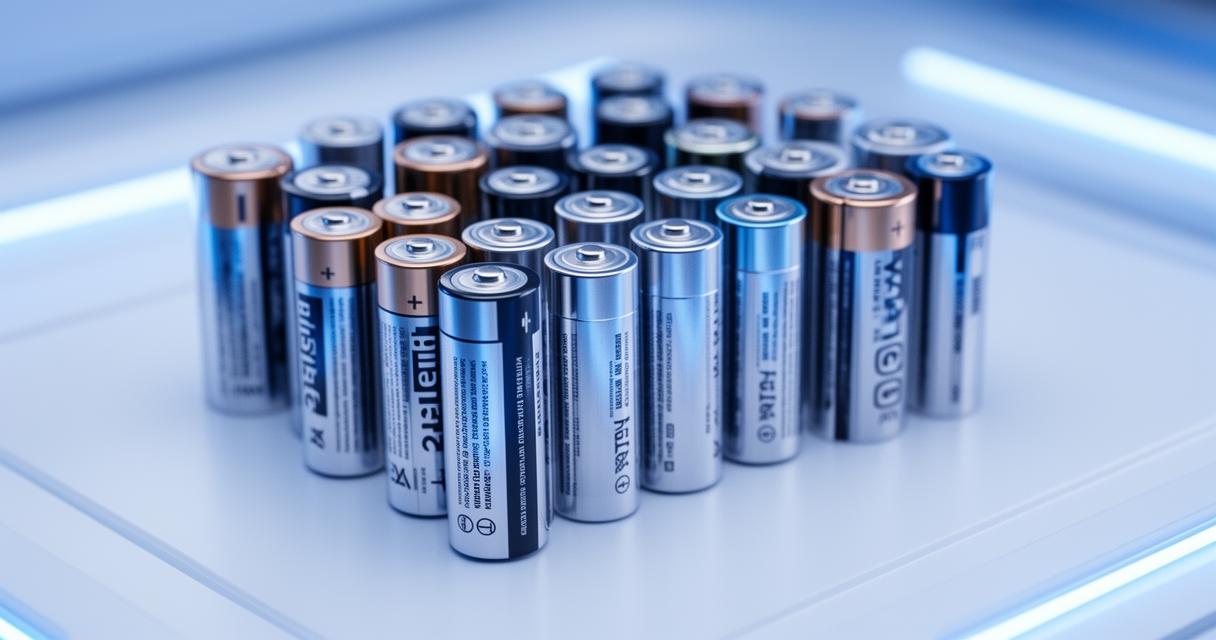
Smaller AAA batteries present unique challenges, as their reduced size limits capacity whilst many modern devices demand substantial power. The EBL NiMH AAA 1,100 mAh batteries demonstrate versatility across application types, powering devices for anywhere from three to forty-one hours depending on the device's energy requirements. This wide performance range illustrates the importance of matching battery capacity to specific applications. High-drain devices such as digital cameras or gaming controllers benefit from the stable voltage delivery that quality rechargeable AAA batteries provide, whilst low-drain applications like remote controls can extract maximum value from each charge cycle. The twelve-pack configuration offers excellent value for households with multiple AAA-dependent devices, reducing per-battery costs whilst ensuring adequate supply for rotation and charging schedules.
Evaluating Battery Life and Price to Performance Ratio Amongst Top Manufacturers
The relationship between initial cost and long-term value requires careful consideration when selecting battery brands. Premium pricing does not always correlate with superior performance, as testing reveals that mid-range options often deliver comparable results to luxury brands. Ampacity and longevity vary considerably between models, with some showing significant performance drops after many charge cycles whilst others maintain consistent output. The price to performance ratio becomes particularly important for consumers who use batteries extensively, as even modest per-unit savings multiply substantially when purchasing multiple sets. Beyond the batteries themselves, the charging system represents another investment consideration, with some brands offering batteries without compatible chargers to reduce upfront costs for consumers who already possess charging equipment.
Matching battery brands to your electronic devices' power requirements
Different electronic devices impose varying demands on their power sources, making it essential to match battery characteristics with application requirements. High-power devices such as digital cameras, flash units, and motorised toys benefit from batteries with higher capacity ratings and robust discharge capabilities. Conversely, low-power applications including remote controls, wall clocks, and basic torch lights can function perfectly well with lower-capacity options, making them ideal candidates for extending the useful life of partially degraded rechargeable batteries. Some specialised applications require higher voltage delivery, for which lithium-ion rechargeable batteries provide an elegant solution. The EBL Li-ion AA 3,000 mWh batteries deliver one point five volts, matching the output of alkaline disposables whilst retaining the rechargeability advantage, though they require specific charging equipment and come at a premium price point.
Assessing long-term value: when to choose rechargeable over disposable options
The decision between rechargeable and disposable batteries hinges on usage patterns and device requirements. For devices used frequently or in high volumes, rechargeable batteries deliver undeniable advantages in both cost savings and environmental benefits. The reduced waste generation alone justifies the switch for environmentally conscious consumers, as batteries must be recycled after use to minimise environmental impact. However, certain applications still favour disposables, particularly infrequently used emergency devices where battery shelf life outweighs recharge convenience, or ultra-low-power applications where the extended storage capabilities of alkaline batteries prove advantageous. The energy efficiency of modern rechargeable batteries has narrowed this gap considerably, making them suitable for an ever-expanding range of applications.
Professional Recommendations for Selecting the Right Battery Brand for Different Applications
Optimising battery performance extends beyond brand selection to encompass proper care and maintenance practices. Cool storage conditions help preserve battery capacity during periods between use, whilst optimal charging rates prevent premature degradation of battery chemistry. For households requiring battery sizes beyond the common AA and AAA formats, adapters offer practical solutions. Panasaki adapters enable the conversion of AA batteries to function in C, D, and even AAAA battery compartments, providing flexibility and reducing the need to maintain multiple battery types. This approach proves particularly valuable for devices used occasionally, where maintaining charged batteries in less common sizes creates logistical challenges. Establishing a rotation system ensures batteries remain fresh whilst distributing wear evenly across your collection, maximising the lifespan of your investment. The convergence of improved technology, competitive pricing, and environmental consciousness makes rechargeable batteries the sensible choice for most modern households, with careful brand selection ensuring you receive optimal performance for your specific needs.