
There is something deeply comforting about the aroma of well-seasoned poultry filling your kitchen, particularly when the process is streamlined by modern convenience appliances. For those seeking a midweek meal that balances simplicity with bold flavour, this approach to preparing chicken drumsticks using your Cookeo offers a perfect solution. The method combines the time-honoured tradition of spice-led cooking with the efficiency of pressure technology, ensuring tender meat infused with layers of warmth and depth. Whether you are new to your Cookeo or looking to expand your repertoire, this guide will walk you through every essential step whilst exploring the broader cultural significance of such dishes in our shared culinary heritage.
Mastering the Art of Cookeo Preparation: Your Complete Guide to Perfectly Cooked Drumsticks
Before you begin cooking, it is crucial to gather everything you need and ensure your Cookeo is clean and ready for action. The beauty of this recipe lies in its straightforward ingredient list and minimal hands-on time, yet the results are anything but ordinary. Start by assembling twelve chicken drumsticks, which should be patted dry with kitchen paper to allow seasonings to adhere properly. In a large mixing bowl, combine half a cup of olive oil with eight cloves of minced garlic, two tablespoons of smoked paprika, half a teaspoon of red pepper flakes, and a generous handful of freshly chopped parsley alongside two tablespoons of chopped fresh oregano. Season liberally with salt and freshly ground black pepper to taste. The olive oil not only acts as a carrier for the spices but also helps to keep the meat moist during the cooking process. Once mixed, coat each drumstick thoroughly, ensuring every piece is well covered in the aromatic marinade. This step can be done up to an hour in advance, allowing the flavours to penetrate the meat more deeply if time permits.
Essential equipment setup and ingredient preparation before you begin
Setting up your Cookeo correctly is vital to achieving consistent results. Ensure the inner pot is securely in place and that the pressure valve is clean and functioning. If you are planning to brown the drumsticks before pressure cooking, select the browning function and add a small amount of olive oil to the pot. This optional step creates a golden crust that adds an extra dimension of flavour and visual appeal. However, if you prefer to keep the process even simpler, you can place the marinated drumsticks directly into the pot without browning. Add a splash of chicken broth or water to the base, roughly 150 millilitres, to create the necessary steam for pressure cooking. This liquid will also form the basis of a light sauce that can be spooned over the finished dish. For additional depth, consider adding sliced onions and halved cherry tomatoes to the pot, which will soften and release their juices, further enriching the overall flavour profile. The combination of sweet tomatoes, aromatic onions, and the earthy warmth of paprika creates a harmonious balance that complements the chicken beautifully.
Step-by-step cooking process using your cookeo's pressure function
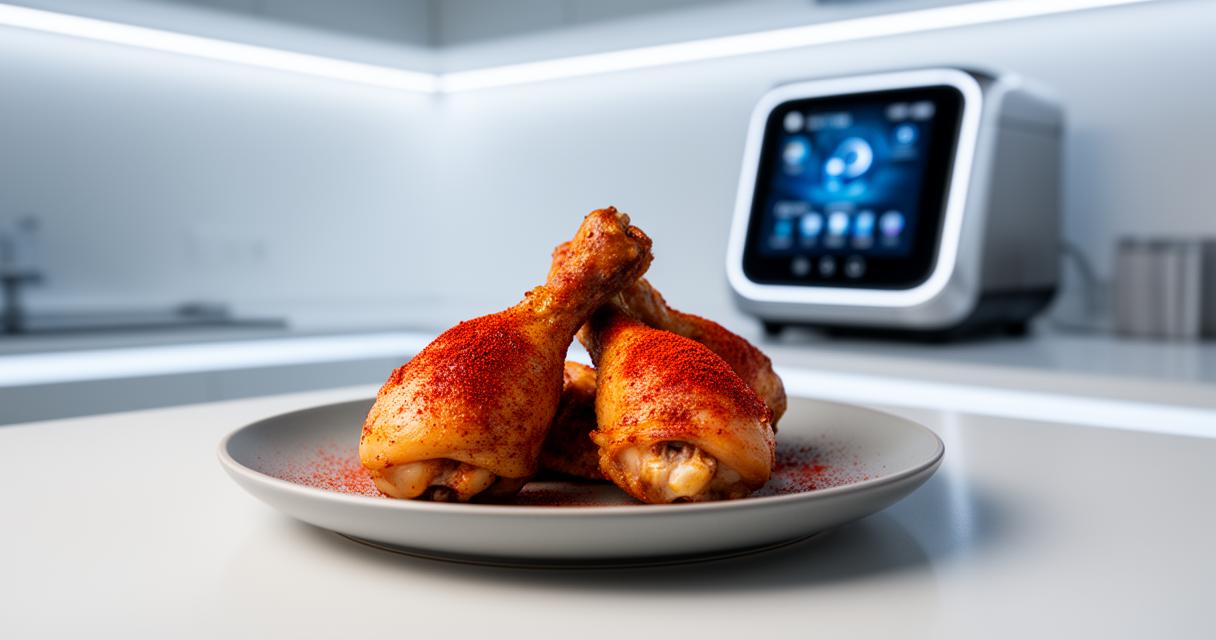
Once your ingredients are prepared and arranged in the Cookeo, secure the lid and ensure the steam release valve is set to the sealed position. Select the pressure cooking mode and set the timer for fifteen minutes. This duration is sufficient to cook the drumsticks through to an internal temperature of 74 degrees Celsius, ensuring they are safe to eat whilst remaining juicy and tender. If you are using a slow cooker function instead, adjust the time to between two and four hours on high, though the pressure method is by far the quickest. After the cooking cycle completes, allow the pressure to release naturally for about five minutes before carefully opening the valve to release any remaining steam. Remove the lid, taking care to avoid the hot vapour, and check that the meat is cooked through. The drumsticks should pull away from the bone easily and have a rich, reddish hue from the paprika. If you wish to intensify the colour and add a slight char, transfer the drumsticks to a baking tray and place them under a hot grill for three to five minutes. This finishing touch replicates the crispy exterior achieved when baking at 218 degrees Celsius for forty-five minutes, as some traditional recipes suggest, but in a fraction of the time. Serve the drumsticks on a platter, spooning over the cooking liquid and garnishing with extra fresh parsley for a vibrant presentation.
The Cultural Significance of Poultry in British and European Culinary Heritage
Chicken has long held a central place in the kitchens of Britain and across Europe, serving as both an everyday staple and a centrepiece for celebratory feasts. This versatility stems from the bird's accessibility, affordability, and ability to absorb a wide range of flavours, making it an ideal canvas for regional spice traditions. From the roast chickens of Sunday lunches to the spiced drumsticks enjoyed at summer barbecues, poultry dishes have woven themselves into the fabric of our collective food memory. The use of paprika, a spice with Hungarian origins, reflects the historical exchange of ingredients and techniques across the continent, enriching our culinary landscape with each passing generation. Understanding this context adds a layer of appreciation to every meal prepared, reminding us that even the simplest recipes carry echoes of broader cultural narratives.
Historical roots: how fowl became a staple protein across generations
Centuries ago, chickens were primarily raised in rural households, where they provided a reliable source of protein as well as eggs. As agricultural practices evolved and transportation improved, poultry became more widely available in urban markets, gradually shifting from a luxury item to an affordable option for families of all backgrounds. In Britain, the tradition of the Sunday roast often featured chicken, particularly in households where beef or lamb was less accessible. The bird's relatively short cooking time and forgiving nature made it a favourite among home cooks, who could rely on it to feed large gatherings without excessive preparation. Spices such as paprika, introduced through trade routes and migration, brought new dimensions to familiar dishes, transforming simple roasted fowl into something more vibrant and memorable. This blending of local ingredients with imported flavours exemplifies the dynamic nature of culinary evolution, where tradition and innovation coexist harmoniously.
Modern Family Dining: Why These Meals Continue to Unite Us at the Table
In today's fast-paced world, the act of gathering around a shared meal holds even greater significance. Dishes like paprika chicken drumsticks offer a practical solution for busy families seeking nutritious, satisfying food without spending hours in the kitchen. The communal nature of serving a platter of drumsticks, with everyone helping themselves and passing dishes around, fosters a sense of togetherness that is increasingly rare in our digitally distracted lives. Moreover, these meals provide an opportunity to pass down recipes and techniques from one generation to the next, preserving culinary knowledge and family traditions. The simplicity of the dish also encourages creativity, as home cooks can adapt the recipe to suit personal tastes or dietary needs, swapping in different herbs, adjusting spice levels, or incorporating seasonal vegetables. This flexibility ensures that such recipes remain relevant and beloved, regardless of changing trends or dietary guidelines.
Flavour Profiles and Ingredient Synergy: Building Depth with Spices and Fresh Produce
The success of this recipe hinges on the careful balance of its core components, each contributing to a layered, complex flavour that belies the dish's straightforward preparation. Garlic and paprika form the foundation, their pungency and warmth enhanced by the richness of olive oil. The addition of fresh herbs such as parsley and oregano introduces a bright, herbaceous note that cuts through the richness of the meat, whilst red pepper flakes provide a subtle heat that lingers pleasantly on the palate. Together, these elements create a harmonious whole that is greater than the sum of its parts, demonstrating the importance of thoughtful ingredient selection and proper seasoning.
The Role of Sweet Hungarian Spice in Elevating Poultry Dishes
Paprika, particularly the smoked variety, is a transformative ingredient that adds both colour and flavour to any dish it graces. Derived from dried and ground capsicum peppers, this spice ranges from mild and sweet to hot and fiery, with smoked versions offering an additional layer of complexity reminiscent of outdoor grilling. When applied generously to chicken drumsticks, paprika forms a crust that caramelises slightly during cooking, creating a visually striking and deeply flavourful exterior. The spice also complements the natural sweetness of the meat, enhancing rather than overpowering it. This quality makes paprika an indispensable tool in the home cook's arsenal, capable of elevating even the most humble cuts of poultry into something truly special. Its widespread use across European cuisines, from Spanish chorizo to Hungarian goulash, speaks to its universal appeal and versatility.
Complementary Vegetables and Stock: Creating a Balanced, Nutritious Meal
Whilst the chicken is undoubtedly the star of this dish, the supporting cast of vegetables and stock plays a crucial role in creating a well-rounded meal. Onions, when softened and slightly caramelised, add a natural sweetness that balances the heat of the paprika and red pepper flakes. Tomatoes, whether fresh or tinned, break down during cooking to form a light, flavourful sauce that coats the drumsticks and provides moisture. The addition of chicken broth not only facilitates pressure cooking but also contributes savoury depth, enriching the overall flavour profile. These components work together to create a dish that is not only delicious but also nutritionally balanced, providing protein, healthy fats, and a variety of vitamins and minerals. Each drumstick contains approximately 209 calories, with 14 grammes of protein and 16 grammes of fat, making it a satisfying option that supports a balanced diet. The relatively low carbohydrate content, just 2 grammes per serving, also makes this recipe suitable for those following low-carb or ketogenic eating plans. By incorporating a variety of vegetables and using wholesome ingredients, this dish exemplifies how simple home cooking can deliver both flavour and nutrition without compromise.